How Weather Really Affects School Closures
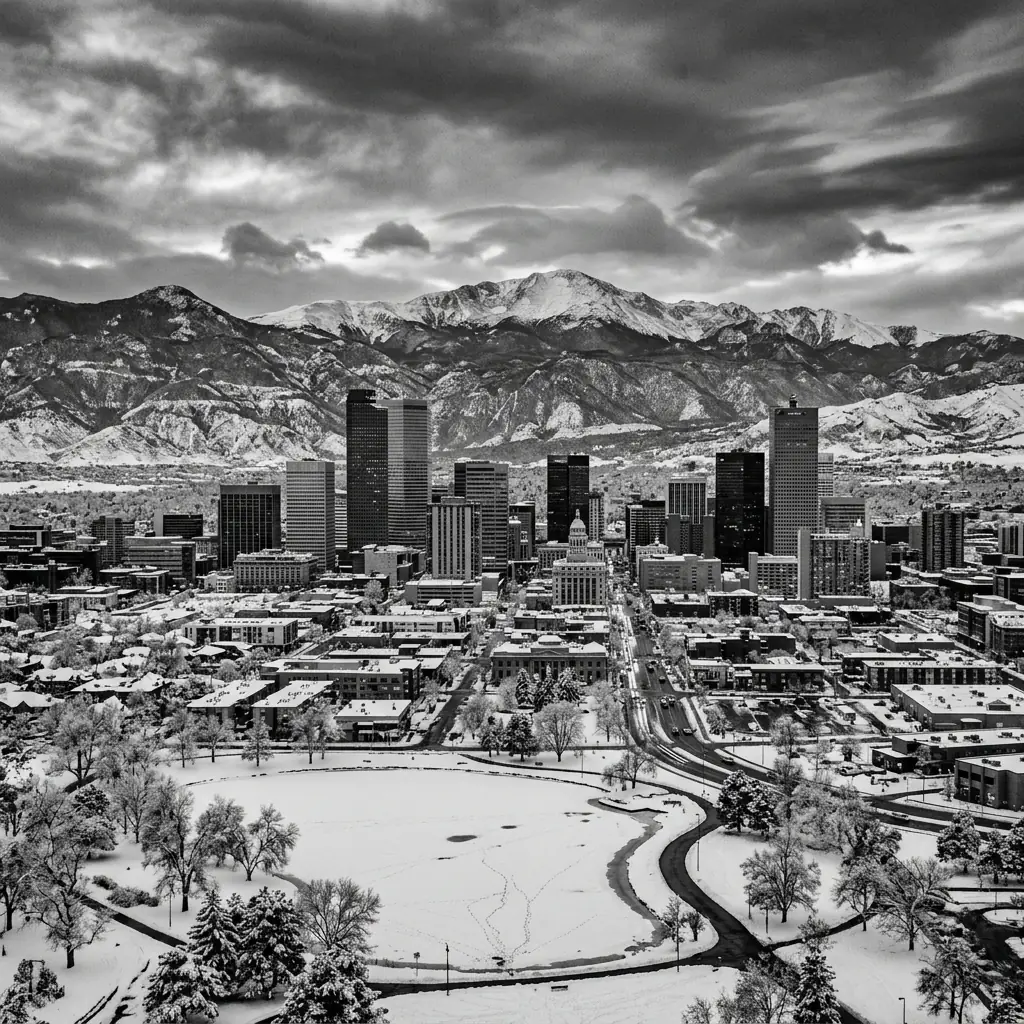
School closure decisions may seem simple: it snows, so school closes. In reality, the process is much more complex. District leaders evaluate multiple risk factors before making a call.
It Is Not Just About Snow
Heavy snowfall is important, but it is only one variable. These key conditions often drive closure decisions:
Temperature
Extreme cold is a major factor, especially in northern states. When wind chill drops between -20F and -35F, many districts close even if roads are technically passable. Students waiting outdoors can face frostbite and hypothermia risks.
Ice
Freezing rain and ice storms are often more dangerous than snow. Even a thin glaze can make roads unsafe. Ice events can cause some of the most disruptive closure days.
Wind
Strong winds combined with snow reduce visibility and increase dangerous wind chill. Gusts above 35 to 40 mph during snowfall often push districts toward delays or closures.
Storm Timing
Timing matters a lot. A storm that ends before morning cleanup may not lead to closure, while one that intensifies around 5 AM creates major commute risk.
Who Makes the Decision?
In most districts, the superintendent leads the decision with transportation and operations teams. They typically review:
- Road conditions - Reports from local transportation departments
- Weather forecasts - Current observations and short-term projections
- Bus route safety - Whether buses can operate safely
- Building conditions - Heating issues, outages, or facility risks
- Regional coordination - What neighboring districts are doing
Many superintendents start monitoring around 3-4 AM and try to issue decisions by 5-6 AM so families can plan.
Urban vs Rural District Differences
District context can shift closure thresholds:
- Urban districts often have faster road treatment and may close less often during moderate snow
- Rural districts may have longer routes and fewer maintained roads, increasing closure probability
- Mountain communities face added elevation and terrain risk
The Role of Technology
Modern forecasting tools have improved closure decisions significantly. Platforms like Snow Day Calculator help families anticipate outcomes using the same weather signals administrators monitor.
Forecast models now estimate snowfall totals, storm timing, and icing potential more accurately than a decade ago, reducing unnecessary closures while improving safety decisions.
Key Takeaways
- Snow is only one factor; ice, wind, temperature, and timing also matter
- Decisions are usually made very early in the morning
- Urban and rural districts may use different closure thresholds
- Better forecasting technology improves decision quality each year
Want to check your own snow day odds? Visit our snow day predictor and Snow Day Calculator for real-time location-based predictions.
Snow Day Predictor
Enter your details for an instant prediction