Snow Day Prediction: Planning for Schools, Families, and Businesses
Winter weather is notoriously unpredictable. A dusting of snow one night can turn into a chaotic morning of school closures, commute delays, and power outages the next. Many parents, teachers, and business owners wake up wondering: is today a snow day?
A specialized snow day predictor can help answer that by translating weather data into a closure probability. For example, SnowDay Calculator Alert compares forecast snowfall, ice, wind chill, and past local closure patterns to give you a percentage chance that your school district will close. It refreshes forecasts during active storms, so you can check the latest chance of a snow day tonight.
While no prediction is perfect, checking a snow day probability in advance lets families and organizations plan. A forecast the night before can save hectic mornings. SnowDayCalculatorAlert recommends checking 12 to 24 hours before a storm and again in the early morning.
Interactive winter planner
Tap through the scenes families and teams plan around
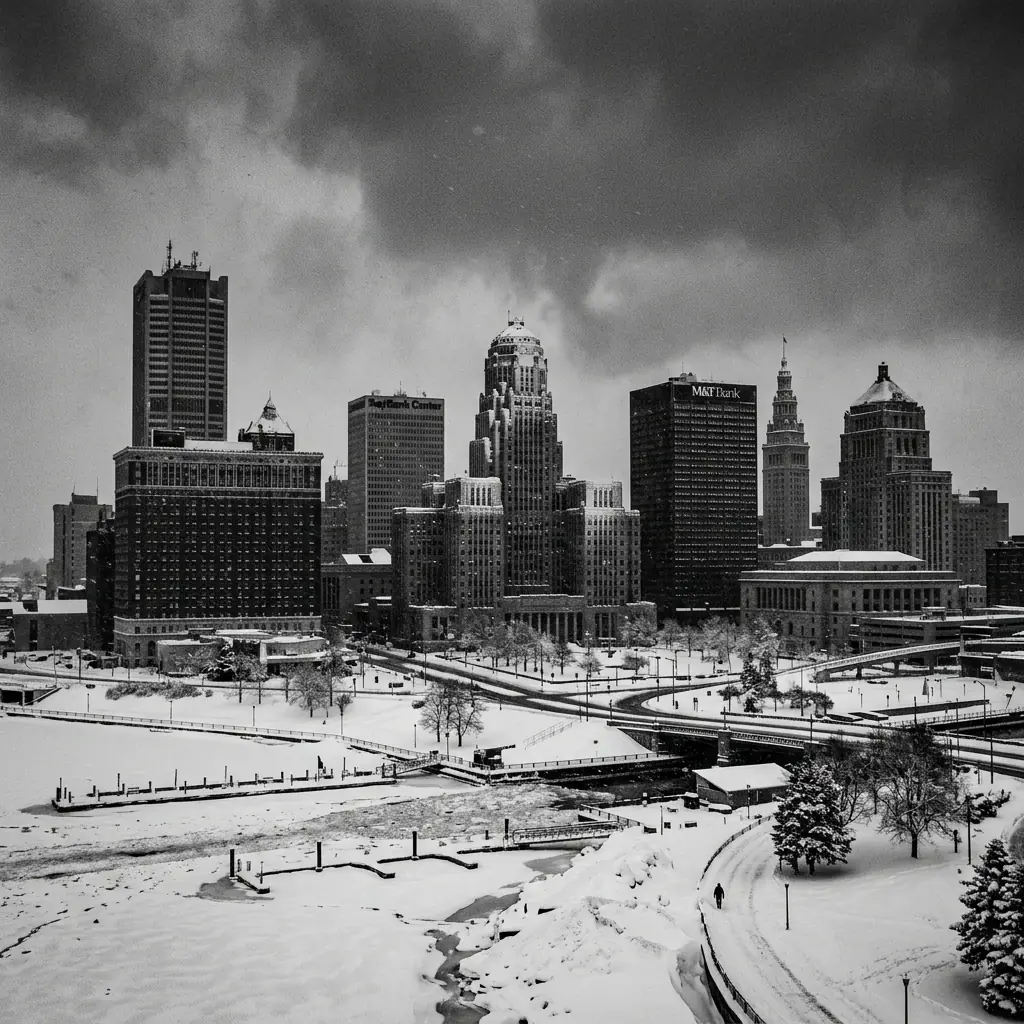
Each image highlights a different snow day pressure point: the school commute, city services, road safety, and home readiness.
Use a high closure probability to confirm childcare, charge devices, and set up a backup work plan before bedtime.
Why Snow Day Predictions Matter
A snow day means much more than a day off from school. It ripples through homes, offices, and communities.
For parents, an unexpected closure can trigger a scramble to find childcare or arrange remote work. Educators and staff must adjust lesson plans or shift to remote teaching. Small businesses might lose a day of revenue if employees cannot safely travel or if customers stay home. Delivery and postal services often slow down during major winter storms. Healthcare providers cannot simply cancel, so hospitals and clinics must keep emergency plans ready for staff, patients, supplies, and transportation.
By forecasting snow days in advance, communities can reduce stress and improve safety. Parents can line up backup childcare or call in to work early. Schools can notify teachers and prepare online lessons. Businesses can stagger staff, allow remote work, or adjust hours. Even public services benefit when drivers delay non-essential trips and critical facilities secure supplies early.
In short, snow day prediction provides lead time. Going to bed with a better sense of whether you need the sled, the shovel, or the work laptop helps everyone sleep a little easier.
What Influences Snow Day Decisions?
Snow days are not decided by snowfall alone. School superintendents and emergency managers consider multiple weather and local factors.
Snow and Ice Accumulation
Heavy snow makes roads and bus routes unsafe. Many districts become more likely to close when overnight snowfall reaches the range that overwhelms road treatment and morning bus schedules. Freezing rain and ice storms are especially dangerous because even a thin glaze can make roads slick. In those cases, districts often cancel school or start with delays.
Road Conditions and Terrain
If local roads are hilly, winding, rural, or lightly plowed, a small amount of snow can create more risk than a larger amount in a city with more plows. Two districts just a few miles apart may get different closure scores because one has hillier terrain, longer bus routes, or less snow-clearing capacity.
Timing of the Storm
When snow or ice arrives matters. Early-morning storms around school commute time carry more weight. If a storm finishes before dawn, crews may have time to clear main roads. If it starts near bus pickup, even a modest storm can become disruptive.
Wind Chill and Extreme Cold
It is not just precipitation. Extreme cold can trigger closures even when roads are passable. Dangerous wind chills create risks for children waiting at bus stops or walking to school. Sub-zero wind chills can lead districts to delay or cancel because of frostbite and hypothermia concerns.
Secondary Factors
Other issues can also close schools, including downed power lines, building heat problems, flooding from melting snow, blocked roads, staffing shortages, or disrupted bus operations. Regional culture matters too. In areas where snow is rare, even light snowfall may cause closures because the infrastructure is not built for winter travel.
How Snow Day Calculators Work
A snow day calculator, also called a snow day predictor, is more than a simple weather app. It is a specialized algorithm designed to mirror the logic behind school closure decisions.
SnowDayCalculatorAlert analyzes factors school leaders care about, including snowfall rates, ice accumulation, wind chill, storm timing, local road risk, and district patterns. It cross-references current forecast data with local closure history to estimate the probability of a delay or cancellation.
Here is a simplified view of how it works:
- Location input: You enter your ZIP code or postal code so the system can focus on your local school district or city.
- Current forecast data: The tool checks snow amount, ice potential, temperature, wind, and timing from weather data sources.
- Local factors and history: It adjusts for your area, including whether your district usually closes early or waits for heavier accumulation.
- Probability estimate: The model combines those inputs into a percentage chance of delay or cancellation.
- Continuous updates: As the forecast shifts, the calculator updates so changing storm tracks or temperature drops are reflected.
Because of this approach, a snow day calculator gives families a more focused clue than a generic weather forecast. It is not the final word, since your district makes the official decision, but it is a practical planning signal.
Interactive guide
Explore the signals behind a school closure call
Adjust the weather inputs, follow the morning decision timeline, and compare the local factors that shape snow day predictions.
Closure Chance Simulator
Move each signal to see how combined conditions affect the estimate.
Mixed signals point to a possible late start if roads remain slick near commute time.
Decision Timeline
Tap a checkpoint to see what schools usually review.
Families and districts track snowfall totals, storm timing, and ice potential before bed.
Signal Matrix
Select active conditions to see which outcome rises.
Delay is most likely when snow and road issues are present without major ice.
District Context Diagram
Compare how the same storm can feel different by district type.
Winter Weather Safety and Preparedness
Snow day prediction is only half the battle. Preparing for winter weather is crucial for safety and comfort. Agencies such as NOAA, the National Weather Service, FEMA, and the CDC all emphasize being ready before a storm hits.
Stay Informed
Have multiple ways to get weather updates. Use local alerts, weather radio, school district messages, and trusted forecast sources. Tools like SnowDayCalculatorAlert complement official warnings by focusing specifically on closure probability.
Prepare Your Home
Winter storms need a home readiness kit. Stock non-perishable food, water, medications, flashlights, batteries, and phone chargers. If your heat depends on electricity, plan for safe backup heat and make sure smoke and carbon monoxide detectors work. When a storm is tracking toward western New York, check the No School Today prediction page for Buffalo before finalizing morning plans.
Practice Vehicle Safety
Winter roads can become dangerous quickly. Drive slowly in snow, treat near-freezing roads as potential ice, and clear snow from every window and light. Keep a vehicle kit with blankets, water, snacks, a flashlight, first aid supplies, a shovel, an ice scraper, traction material, jumper cables, and a phone charger.
Dress for the Cold
Layered clothing matters. Hats, gloves or mittens, waterproof boots, and insulated coats are essential if you must go outside. Children need proper gear for bus stops, recess, and walking routes, especially when wind chill is low.
Limit Outdoor Plans
During extreme cold or blizzards, limit outdoor activity. Icy roads, power failures, and freezing temperatures can make ordinary errands unsafe. If schools remain open, avoid long walks in heavy snow or severe wind chill when possible.
Care for Pets and Livestock
Bring pets indoors and make sure farm animals have shelter, extra feed, and unfrozen water. Winter preparedness should include every living member of the household.
Preparing Families, Schools, and Businesses
Snow day planning is a shared effort across communities.
Families and Students
Know your school district’s alert system and check reliable sources early. Identify backup childcare before winter arrives. Prepare a quiet homework zone in case remote learning is assigned. Keep winter clothes and boots easy to find, and teach children basic safety habits such as walking slowly on ice and staying away from roads during snow play.
Teachers and School Staff
Prepare remote learning contingencies before the storm. Pre-load digital lessons, worksheets, or reading assignments. Keep communication channels ready so parents can receive updates quickly. The day before a big storm is also a good time to remind students about winter clothing and safe travel.
Small Businesses and Employers
Anticipate staffing issues. Employees with school-age children may need flexible schedules or remote-work options. Communicate your snow day policy before the first storm, keep sidewalks and parking lots clear, and decide which roles are truly essential on-site. Delivery-based businesses should prepare vehicles and alternate routes.
Delivery Services and Mail
Weather delays are common during major storms. If you are expecting important deliveries, track your shipment early so you know exactly where your package is before roads become hazardous. Businesses should warn customers about possible shipping delays and schedule shipments around predicted blizzards when possible.
Healthcare Facilities and Providers
Hospitals and clinics usually remain open, so readiness is paramount. Healthcare systems coordinate with emergency managers, expand staffing, arrange nearby accommodations, and review patient loads before roads become hazardous. Patients should keep extra medications, charged phones, and appointment backup plans ready.
The mantra is simple: plan early. For families, that means checking forecasts the night before and having a snow-day pack ready. For schools, it means finalizing remote learning backups. For businesses, it means confirming who works from home and who needs to commute.
Snow Day Preparedness Quiz
Test your winter readiness. For each statement below, answer yes or no. Give yourself 2 points for each yes and 0 points for each no.
- I check weather updates and snow day predictions the evening before and again early morning.
- I have a backup plan for my kids if school is unexpectedly canceled or delayed.
- My home and car have winter supplies, including food, water, blankets, flashlight, phone chargers, shovel, and de-icer.
- My employer or I have arranged remote-work options in advance of winter storms.
- I know alternate routes and have emergency contacts listed in case roads are blocked.
- I use snow day tools or alerts like SnowDayCalculatorAlert to stay informed about local storm impacts.
Scoring
- 0 to 4 points: Limited preparedness. Review basic winter preparations, stock essential supplies, plan childcare or work contingencies, and start checking forecasts early.
- 5 to 8 points: Moderately prepared. You have many basics covered, but review gaps in your snow kit and backup plans.
- 10 to 12 points: Well prepared. Keep your plans current and share these tips with friends or neighbors.
Wherever you scored, it is never too late to improve. Set a calendar reminder to check SnowDayCalculatorAlert or NOAA during winter storms. Fill supply gaps such as batteries or medications. Make sure your family communication plan is up to date.
Conclusion and Next Steps
Winter storms will come, often with little warning, and they affect everyone, not just kids in school. By understanding how snow day predictions work and preparing ahead, you can turn a potentially chaotic day into a manageable one.
Use prediction tools as early warning. Check a snow day predictor like SnowDayCalculatorAlert the evening before a storm and again early morning. Treat its percentage as a prompt to finalize your plans.
Prioritize safety. If conditions are unsafe, stay home when you can. Dress warmly, drive slowly, and follow expert guidance to prevent cold-weather injuries.
Plan for every stakeholder. Parents, schools, businesses, delivery teams, and healthcare facilities all have a role. Communicate snow-day protocols, stock essentials, arrange alternate work or childcare, and know who must remain available during the storm.
Finally, try the free Snow Day Alert Calculator. Enter your ZIP or postal code to get your local snow day probability and plan with confidence, whether winter brings whiteouts, black ice, or just a few fun flakes.
Frequently Asked Questions About Snow Day Calculator
The Snow Day Calculator combines forecast data such as snowfall, ice, wind chill, and timing with local patterns to estimate the chance of a delay or closure. You enter your ZIP code or postal code and select your school type. The tool then uses weather data and district-style logic to give you a percentage chance of a snow day.
Late evening and very early morning are best. The calculator is most useful 12 to 24 hours ahead of a storm. Check after dinner, prepare what you need, and check again before school starts.
Schools often close for reasons beyond snow depth. Freezing rain, ice, dangerous wind chill, power outages, blocked roads, or unsafe bus routes can all trigger a closure.
Conditions can vary across short distances. One district may have better-treated roads, while another has hillier terrain, longer bus routes, or more rural side roads. Always use your own ZIP code or district name.
Yes. A high snow day probability can help employers shift meetings, allow remote work, reschedule deliveries, and alert customers about possible delays.
Major carriers may pause or delay deliveries during significant winter storms. Track important packages early and watch carrier service alerts during severe weather.
Confirm childcare, charge phones, prepare winter clothes, check groceries and medications, and set up a work-from-home or PTO plan. If anyone has a medical appointment, ask whether it can be moved or handled by telehealth.
Official school district announcements are final. A calculator is a supplement that gives early planning insight before the official call is made.
No tool is perfect. Keep a Plan B even when the chance looks low, and use your own judgment if conditions become unsafe.
Communities improve winter response through shared preparation: clearing sidewalks, helping neighbors, coordinating school communication, checking on vulnerable households, and sharing reliable weather information.
Snow Day Predictor
Enter your details for an instant prediction